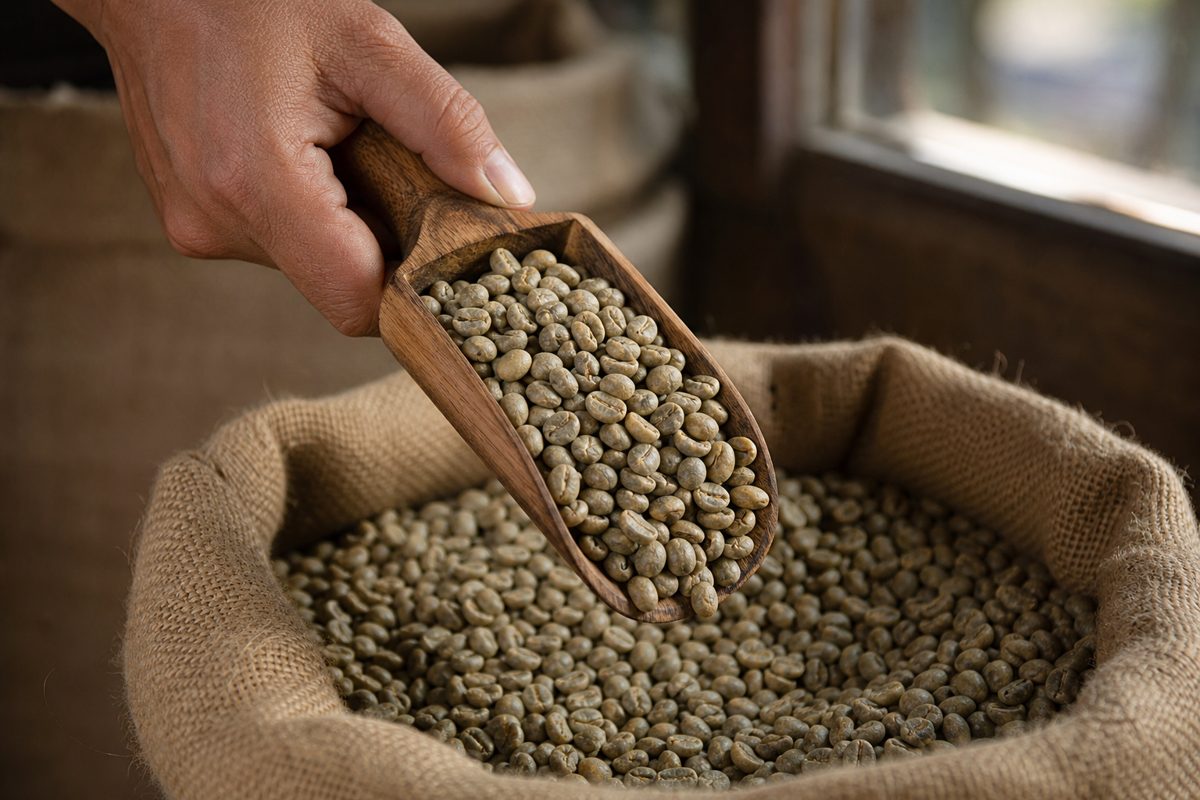
Walk into a coffee forest in the Oromia highlands and you are standing in the single most important genetic reservoir in the coffee world. Almost all Arabica grown globally descends from a tiny handful of plants that left Ethiopia centuries ago. What still grows wild here — thousands of distinct, mostly undocumented varieties — is the raw material for coffee's entire future.
Why 'heirloom' is more than marketing
On many Ethiopian lots you'll see the word heirloom instead of a named variety like Bourbon or Typica. That isn't vagueness — it reflects a genuine reality. Ethiopian smallholders often grow a mix of local landrace plants that have never been formally catalogued. Each cooperative's coffee is a living blend of these forest genetics, shaped by altitude, soil and generations of selection.
A hedge against a warming world
This diversity matters far beyond flavour. As climate change and disease pressure threaten coffee worldwide, that untapped genetic pool is where researchers look for resistance and resilience. Varieties that shrug off leaf rust, tolerate drought, or ripen in shifting seasons may already be growing, unremarked, on a family plot in Guji or Kaffa.
What it means for the cup
For roasters, heirloom is the reason Ethiopian coffee tastes like nowhere else — the jasmine and citrus of a washed Yirgacheffe, the blueberry of a natural Harar. You are tasting biodiversity itself. When you buy from a cooperative union like OCFCU, you also help make it economically worthwhile for farmers to keep these forests, and their genetics, alive.